



Tune in to listen
Bounce FM

If the Africa Magic Viewers’ Choice Award chooses to reward film and television in its categories, then it must do it excellently.
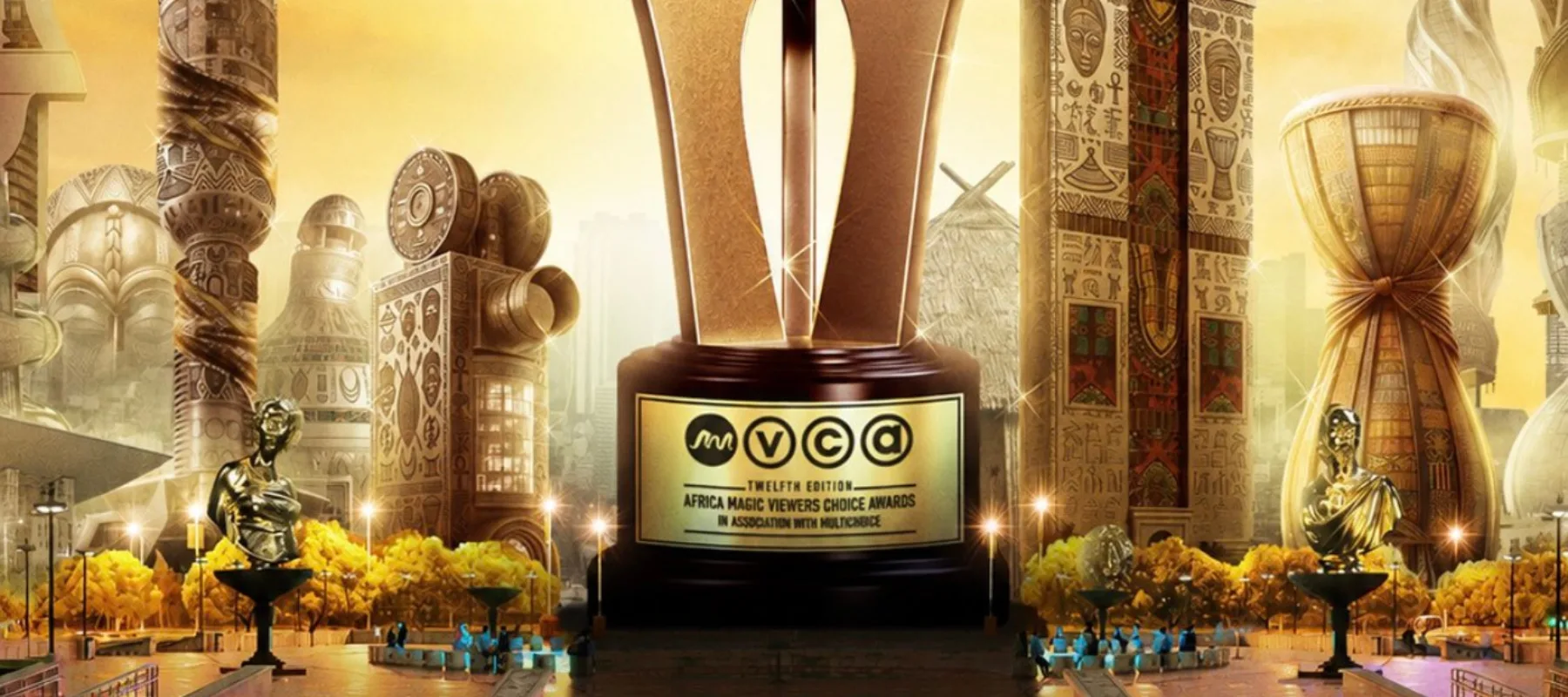
Tonight, the timelines will be flooded with conversations on the African Magic Viewers’ Choice Awards (AMVCA). As the glitz, glamour and winners’ list overshadow the nitty-gritty of the biggest film award ceremony in Africa. For over a decade now, the AMVCA has positioned itself as the biggest celebration of Nigerian and African cinema. But every year, when the nomination list drops, the same conversation questioning the institution’s structural capabilities resurfaces.
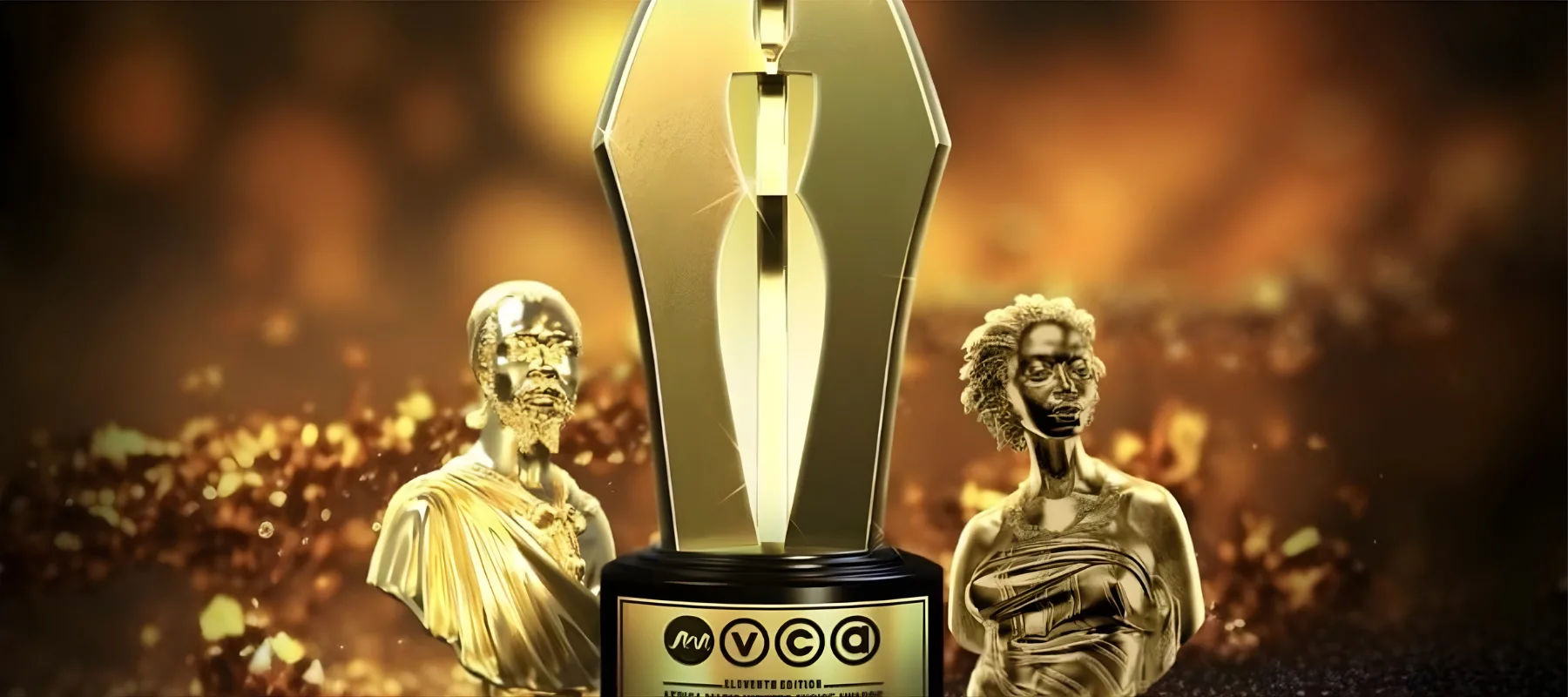
It’s not hearsay that, since its first nomination list in 2013, the AMVCA has continued to struggle with something more fundamental: clarity. In its twelfth edition, the award film show still feels uncertain about what exactly it wants to reward and how it intends to reward it.
The 2025 nomination list dropped on Sunday, 29th March 2026, and in no time exposed the recurring fault lines in the AMVCA’s structure. Why are television series lumped in the same categories alongside feature films? If neither format is similar, doesn’t there need to be a definition of the differences between TV and film across their major and technical categories? And with its nominations where technical categories contradict directing nominations, you cannot help but opine that visibility sometimes matters more to the award film ceremony than critical precision.
The clearest example of this contradiction can be found in the Kemi Adetiba-directed series To Kill A Monkey, which notably emerged as one of the most nominated projects of the year, earning eight nominations across acting and technical categories. Yet somehow, despite receiving acclaim for the very departments a director oversees — editing, cinematography, performances, sound — it failed to secure a Best Director nomination.
And that raises a simple but critical question: if a production is technically outstanding across multiple departments, what exactly does the AMVCA believe directing is?
Any cinephile knows that direction isn’t just the invisible architecture behind film and television. But the organising force that shapes performances, guides visual language, controls pacing, and aligns technical departments into one coherent vision. So when a project is repeatedly acknowledged for its technical excellence while its director is excluded, the nomination logic begins to collapse under scrutiny.
Although if you take a closer look at the Best Director category, you realise how no series was nominated. This takes the argument away from Kemi Adetiba, but it’s about a larger inconsistency that hasn’t permeated the institution over the years.
But more glaring is the AMVCA’s continued inability to properly separate television and film categories in an era when streaming has fundamentally changed Nollywood storytelling. The industry no longer thrives on the cinema-only framework, especially with the arrival of platforms like Netflix and Prime Video.
Series today have also attracted more viewers and, in many cases, are more ambitious, more technically layered, and more culturally impactful than feature films. Yet the AMVCA still approaches television with uncertainty, almost as though it has not fully adapted to the streaming era.
While the institution has made a clear distinction between Best Writing for film and TV categories, it wasn’t until 2024 that the categories were combined into a single award. For an award show aiming for global standards, it is laughable that it took the institution (with its jury now headed by Joke Silva) a decade to make this change.
Yet its omission of any series from the Best Director category is puzzling, since they could simply create a dedicated Best Director category for television. This in no way dilutes the AMVCA’s long-standing prestige nor its voting system. If the institution chooses to recognise a limited series in major categories, it should deem it fit to reward it with its own dedicated directing category.
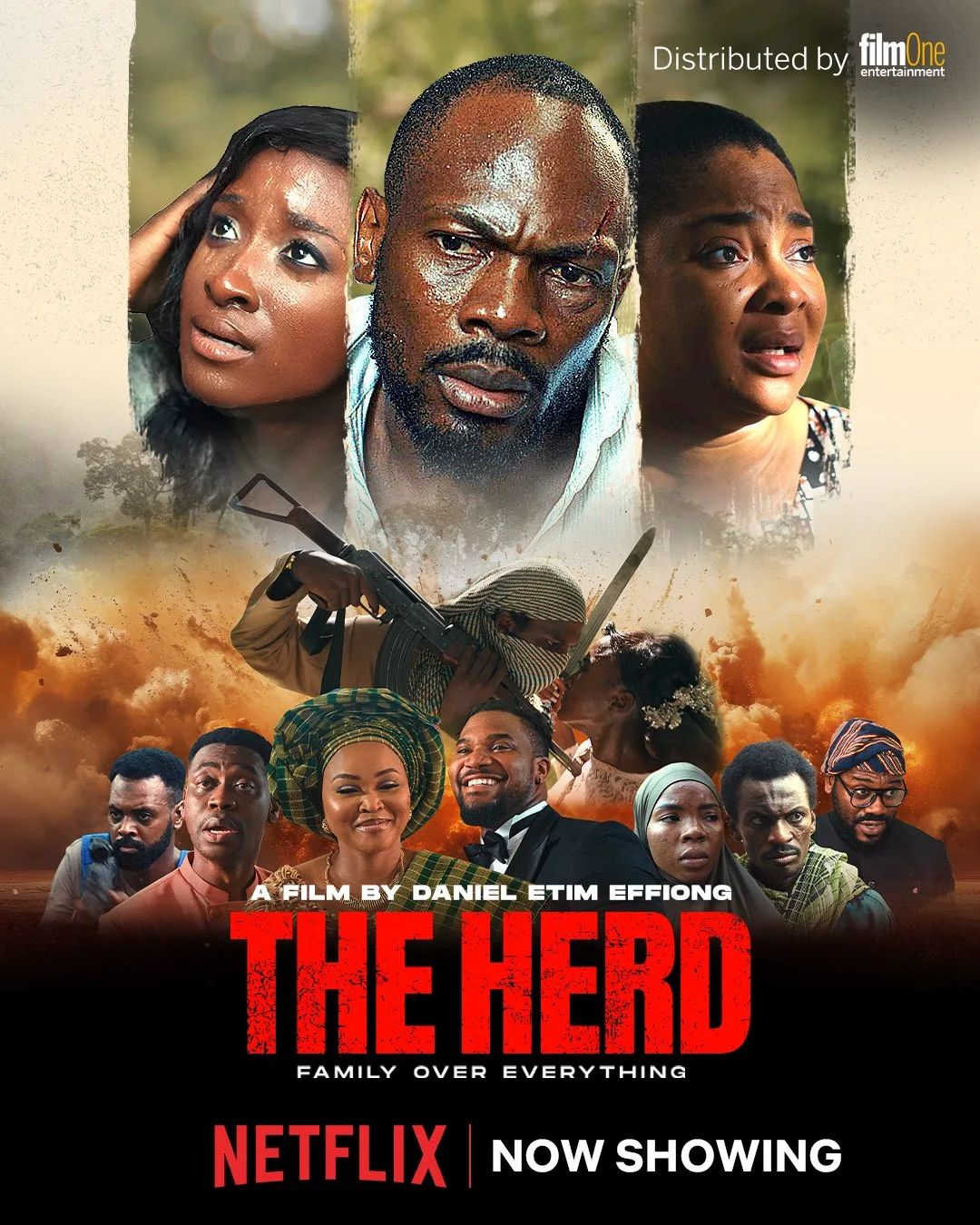
The same argument is found across technical categories, where they continue to blur the lines between multi-episode and feature-length filmmaking. While outstanding nominations of the Daniel Etim Effiong’s hit The Herd, especially in the technical categories, including Best Cinematography and Best Score, are noteworthy, its competition with To Kill A Monkey in the categories highlights the inconsistency of the institution’s category system. After all, the formats, performances, production, and technicalities that make up both media completely differ.
The AMVCA has undoubtedly elevated the recognition of African film and cinema across the continent. Each year, the same criticisms return: misplaced categories, questionable omissions, unclear eligibility standards, and nomination lists that sometimes seem driven more by visibility and momentum than by critical rigour. Films with bigger campaigns, louder marketing, and stronger celebrity presence often dominate conversations and nominations alike, while quieter but artistically daring projects struggle to receive equal recognition.
Across the 32 categories, with 18 decided by the jury and 11 by the public, the award ceremony still comes under scrutiny. Is the AMVCA a viewers’ choice award or a critics’ institution? A Nigerian —and African— academy or a popularity-driven entertainment spectacle? For what it’s worth, right now, it feels like all four simultaneously.
This is what separates institutions like The Golden Globes. Beyond the international acclaim, their category systems evolve alongside the industries they serve. Television and film are treated as distinct media. Technical categories have clearer definitions. Eligibility rules are publicly understood. The AMVCA, on the other hand, still feels like an institution incapable of resolving foundational problems.
Ironically, the award show has mastered everything else. In terms of visibility, virality, and glamour, the AMVCA is arguably the biggest film award ceremony on the continent.
Still, none of this erases the AMVCA’s importance. The award show has undoubtedly increased the visibility of the world’s second-largest film industry. It has helped create aspirational value around Nollywood and pushed African storytelling into larger conversations.
But prestige alone is no longer enough. Nollywood and the African film industry have expanded sufficiently for the industry’s biggest award institution to remain structurally stagnant. If the Africa Magic Viewers’ Choice Award chooses to reward film and television in its categories, then it must do it excellently.