



Tune in to listen
Bounce FM

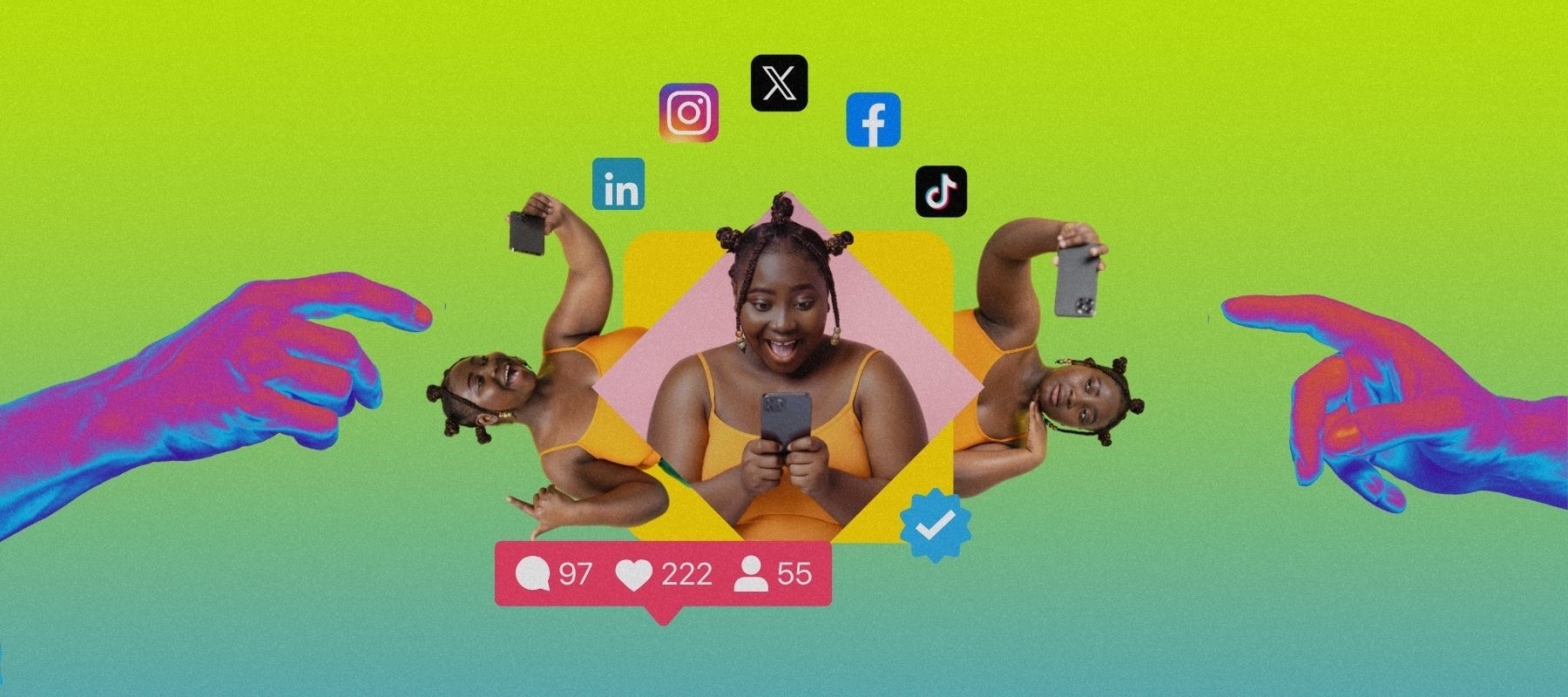
The recent X ban in Tanzania highlights the growing tendency among African governments to restrict internet access under the guise of national security or cybersecurity.

On Wednesday, May 21, the government of Tanzania effectively blocked access to X (formerly Twitter) across the country. The move followed a serious cyber breach on Tuesday, May 20, when the official X account of the Tanzania Police Force was hacked. The compromised account was used to share pornographic images and publish fake announcements, including one that falsely claimed President Samia Suluhu had died.
The misleading posts have since been removed, and Tanzanian authorities have launched an investigation to track those responsible for the cyberattacks. “We are actively searching for those responsible for spreading false information,” a public statement read, per Africanews.
As part of the response, the Tanzania Communications Regulatory Authority (TCRA) ordered internet service providers to block access to X, citing cybersecurity concerns and the need to prevent the spread of disinformation.
This marks the second time Tanzania has blocked access to X in nine months. In August 2024, amid rising political tensions and alerts from the police about opposition parties allegedly planning to free political prisoners, X was again central to online movements. Activists used the platform to share names of detainees, galvanising support through hashtags like #FreeThemAll, until the platform went dark in the country.
In both instances, these bans have amplified concerns over digital censorship and the erosion of freedom of expression and access to information in Tanzania. They also highlight the growing tendency among African governments to restrict internet access under the guise of national security or cybersecurity, as seen in a similar move by South Sudan in January 2025.
According to a February 2025 joint report by internet rights group Access Now and the #KeepItOn coalition, 21 shutdowns occurred in 15 African countries in 2024, the highest number recorded in a single year on the continent.
Across many of these internet blackouts, social media platforms have been the main targets, with X emerging as the most affected. A 2023 report found that X faced 10,683 hours of intentional disruption in Africa, 18 percent more than Instagram and 26 percent more than TikTok.
Egypt
In January 2011, during the Arab Spring, Egypt’s government under President Hosni Mubarak temporarily blocked Twitter. Inspired by Tunisia’s uprisings, which also used Twitter and Facebook, Egyptians organised protests via social media, prompting the regime to ban platforms from January 25 to February 2, 2011.
Chad
The Chadian government imposed a yearlong ban on social media platforms, including Twitter, following constitutional changes that extended President Idriss Déby’s grip on power.
According to a BBC report, social media was seen as a real threat to the government, especially as opposition movements had increasingly mobilised through these platforms since the 2016 presidential elections.
The constitutional amendment, which allowed President Déby to remain in power until 2033, triggered the ban from March 2018 to July 2019 as part of efforts to prevent uprisings and public dissent.
Uganda
Just two days before the January 14, 2021, presidential and parliamentary elections, President Yoweri Museveni’s administration blocked social media platforms, including Twitter. The ban lasted about a month, from January 13 to February 12, 2021.
Zambia
During the general elections on August 12, 2021, the Zambian government blocked access to WhatsApp, Facebook, Instagram, Messenger, and Twitter in an attempt to curb the spread of election-related misinformation.
Access to social media was restored the following day.
Nigeria
Nigeria’s suspension of Twitter is one of the most internationally notable. From June 5, 2021, to January 13, 2022, the Nigerian government banned the platform after Twitter removed a tweet by President Muhammadu Buhari that was viewed as inciting violence against separatist groups.
Officials claimed the platform was being used for activities capable of undermining Nigeria’s corporate existence. The ban was lifted only after Twitter agreed to open a local office, appoint a country representative, and comply with Nigerian tax laws.
Ethiopia
In February 2023, Ethiopia’s government banned access to multiple social media platforms, including X, following internal unrest within the Ethiopian Orthodox Tewahedo Church. The digital blackout, aimed at preventing the spread of misinformation, lasted until July 2023, a full five months.
Mauritius
Though it only lasted a day, the Mauritian government suspended access to major social media platforms in response to the leakage of sensitive recordings believed to have been obtained through illegal wiretapping. Authorities expressed concern that the leak could undermine the integrity of the general election scheduled for November 11, 2024.
However, following criticism from opposition leaders and broader public pressure, the government rescinded the ban on November 2, just a day after it was imposed.